Introducing the Future Space Pioneers Academy
Michigan is poised to ignite a new era of innovation with the launch of the Future Space Pioneers Academy, a groundbreaking non-profit program designed to immerse middle and high school students in the wonders of space technology and exploration. Starting with its inaugural cohort in the summer of 2026 through 2027, this initiative aims to bridge the gap between classroom learning and real-world applications in the burgeoning space economy. By partnering with schools, universities, and industry leaders, the Academy will equip young minds with the skills needed for future careers in aerospace, engineering, and beyond. This isn’t just about dreaming of the stars—it’s about building the tools to reach them, fostering a generation of problem-solvers ready to contribute to Michigan’s economic growth through high-tech manufacturing and space-related industries.
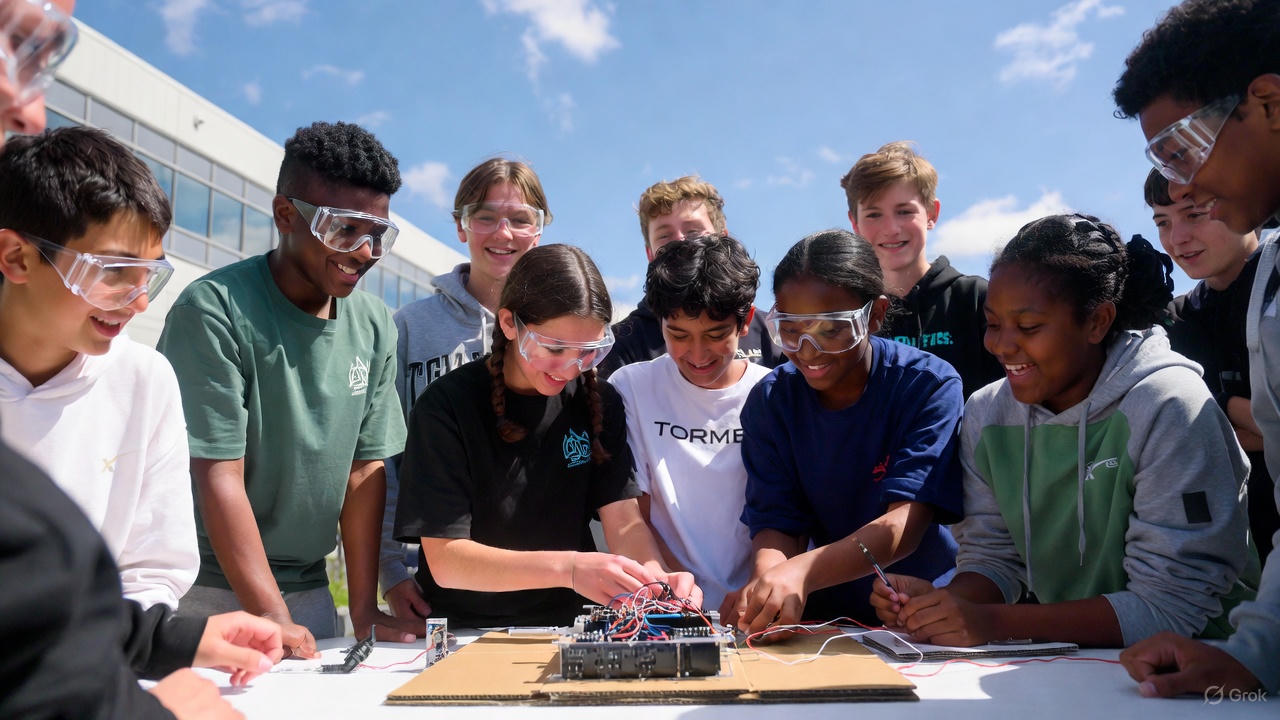
Open to students from any school district across Michigan, the program emphasizes inclusivity and accessibility. Whether you’re in Detroit, Grand Rapids, or a rural community in the Upper Peninsula, kids can join this first-year summer program by applying through their schools or directly via our website. The cohort will kick off with a series of virtual orientations in early 2026, followed by intensive in-person workshops held at central locations like university campuses or maker spaces in southeast Michigan. Teams of 5-20 students will form, guided by mentors from the tech and education sectors, ensuring that geographical barriers don’t hinder participation. No prior experience is required—just curiosity and a willingness to learn. Schools can apply to host satellite-building sessions, and we’ll provide resources to make it feasible for underfunded districts.
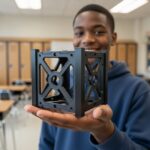
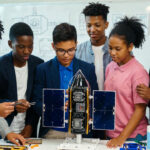
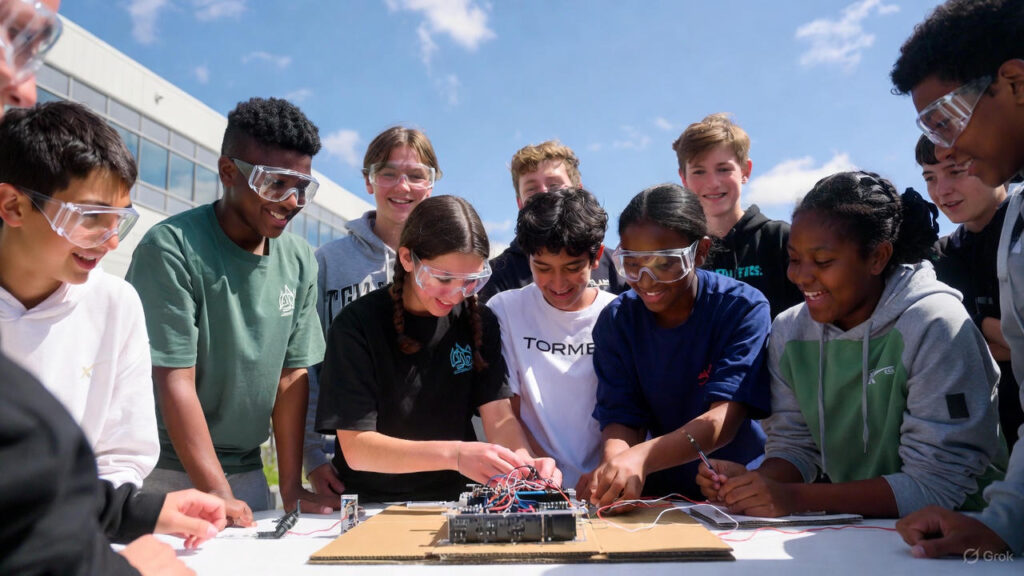
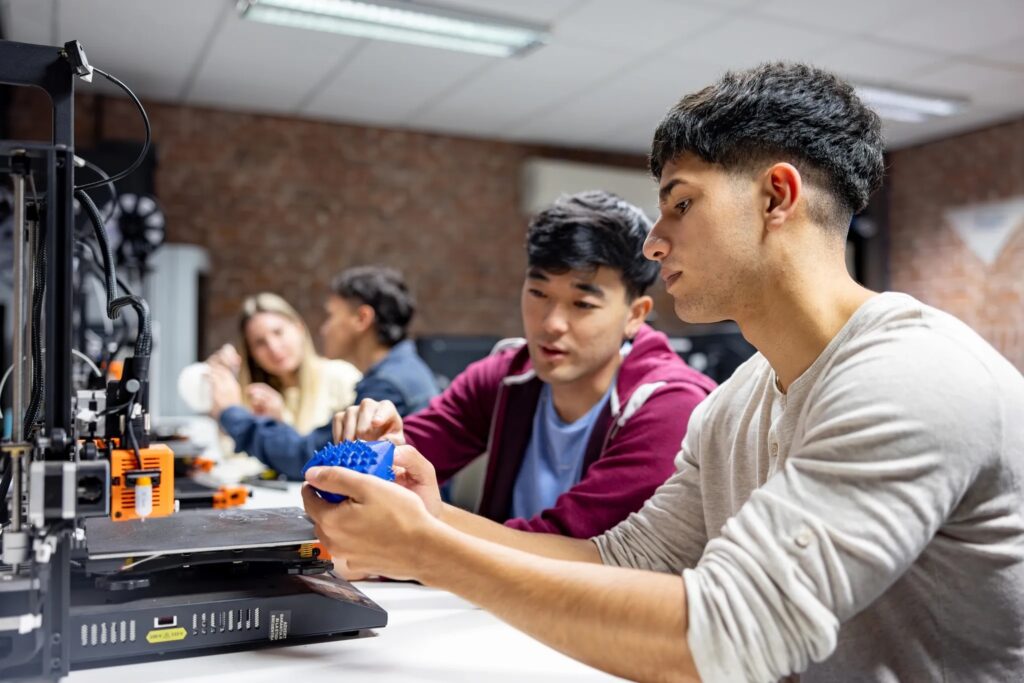
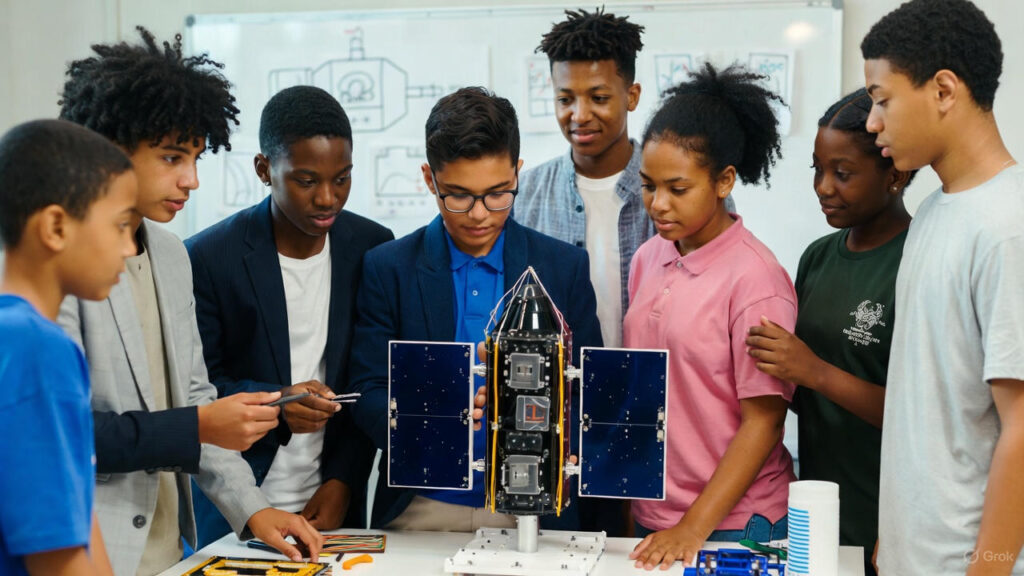
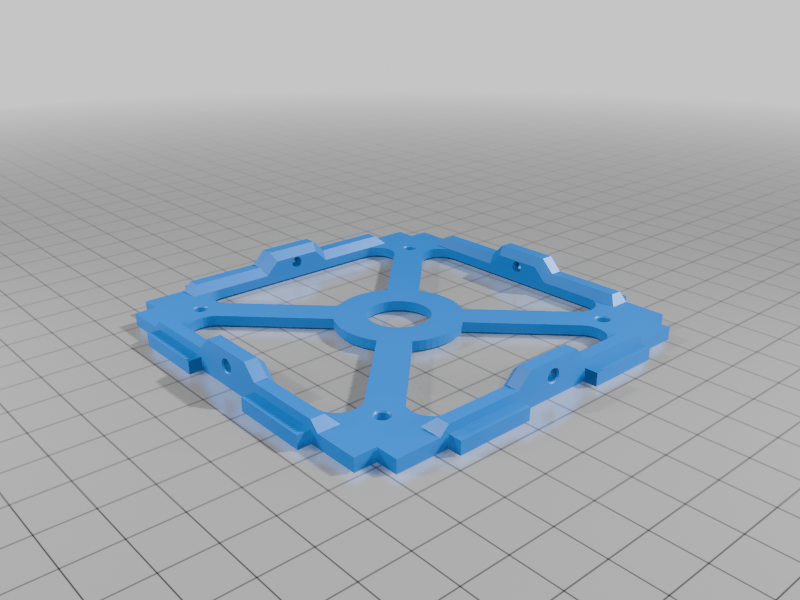
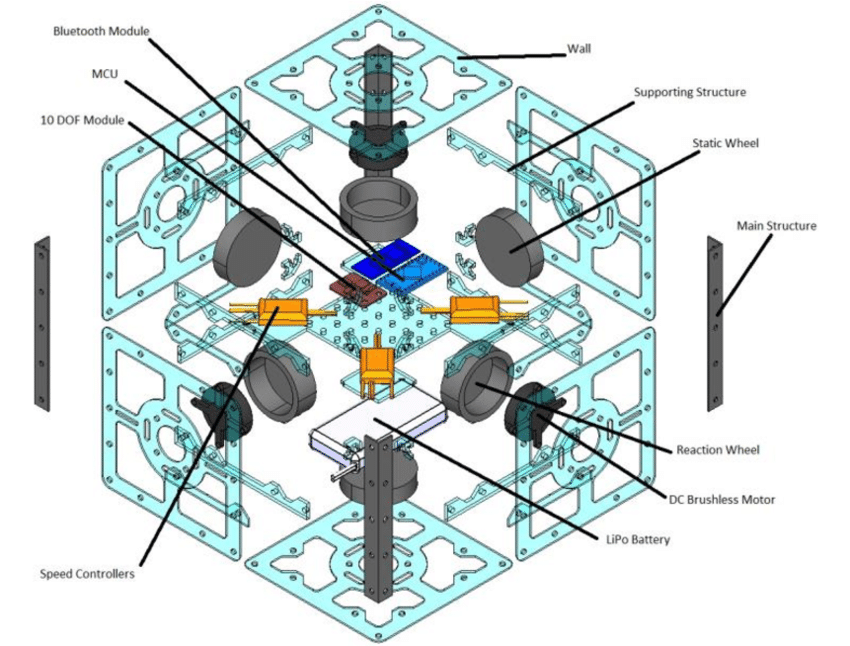
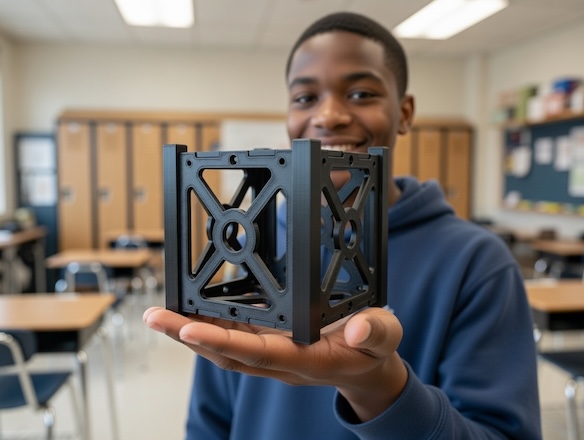
At the heart of the Academy is a hands-on curriculum that takes students step-by-step through designing and constructing their own micro-satellite. Over the summer months, participants will engage in weekly modules covering everything from ideation to assembly, using affordable materials like Raspberry Pi computers, 3D-printed components, and basic sensors. This project-based learning approach encourages collaboration, creativity, and critical thinking, mirroring real engineering processes. Students will learn to integrate solar panels for power, program software for data collection, and test their creations in simulated environments. By the end of the program in 2027, each team will have a functional prototype ready for potential deployment, turning abstract concepts into tangible achievements.
Key principles of space science form the backbone of the curriculum, ensuring students grasp the fundamentals as they build their crafts. They’ll dive into orbital mechanics, understanding how satellites maintain position in low-Earth orbit and the effects of microgravity. Material science lessons will cover selecting durable, lightweight components that can withstand launch vibrations and space radiation. Communications and connectivity come next, teaching how to establish data links using networks like those from SpaceX’s Starlink. Power management, including solar energy harvesting and battery efficiency, will highlight sustainable tech in harsh environments. Finally, software development with AI tools will introduce coding for remote updates and analytics, preparing them for the digital side of space missions. These principles aren’t just theoretical—they’re applied directly to the students’ satellites, making learning immersive and memorable.
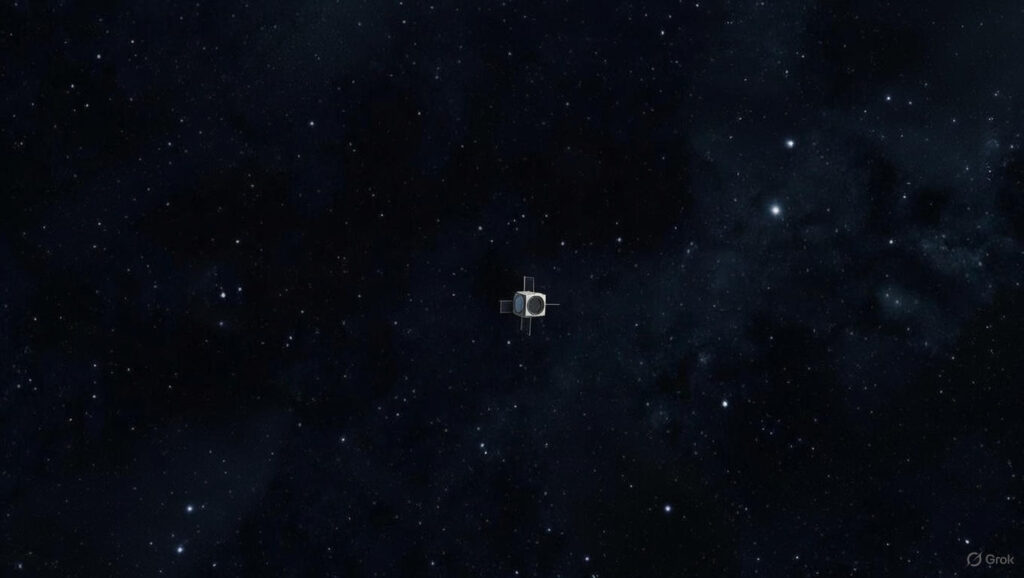
While the core educational course will proceed regardless of funding levels—thanks to volunteer mentors and low-cost materials—the true magic happens if we secure sufficient donations and corporate sponsorships. These contributions will cover launch costs, allowing the top-performing teams to send their micro-satellites into orbit via a rideshare arrangement with SpaceX or similar partners. Imagine the thrill: Michigan’s grade-school students becoming the first in the nation to launch their own student-built projects into space! This once-in-a-lifetime opportunity not only motivates participants but also showcases Michigan’s manufacturing prowess on a global stage, potentially attracting more investment to the state.
We need your support to make this vision a reality. Donations from individuals and sponsorships from corporations—especially those in automotive, aerospace, and tech—will directly benefit applying schools by subsidizing materials, travel, and expert guidance. In return, sponsors gain visibility through branding on satellites, events, and our growing network. Every dollar counts toward empowering the next generation of space pioneers. Visit our website to donate, apply as a student or school, or explore sponsorship tiers. Together, let’s launch Michigan into the space age—one student at a time.