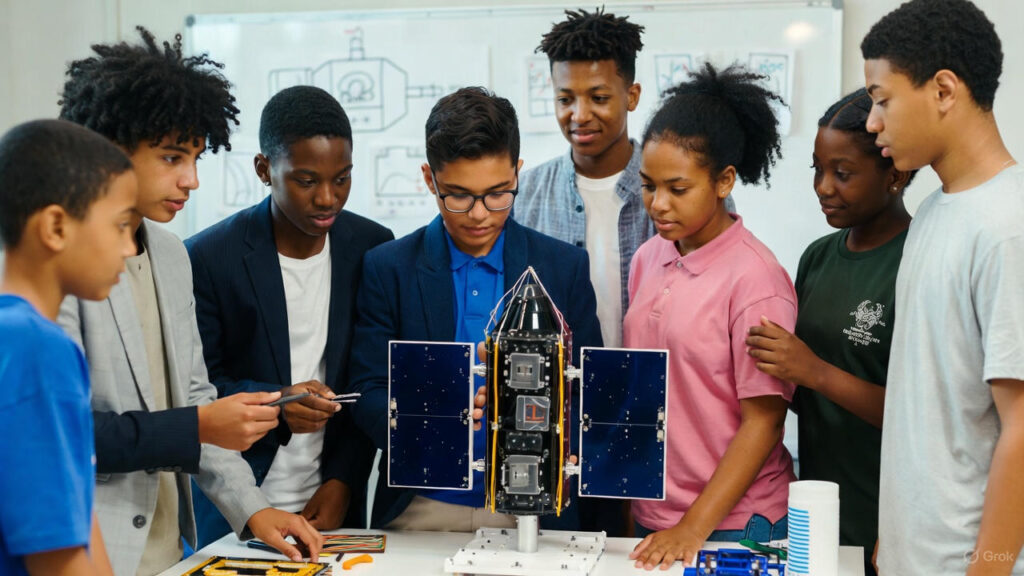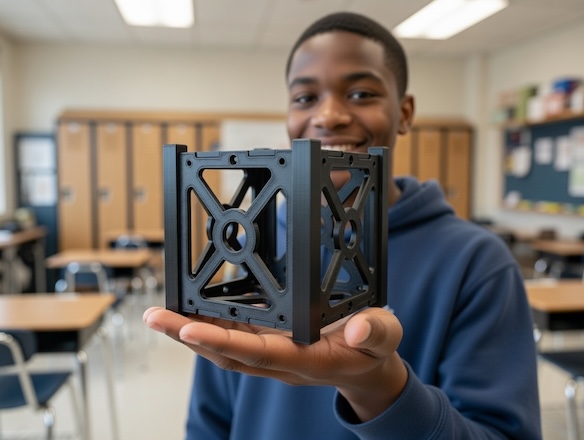
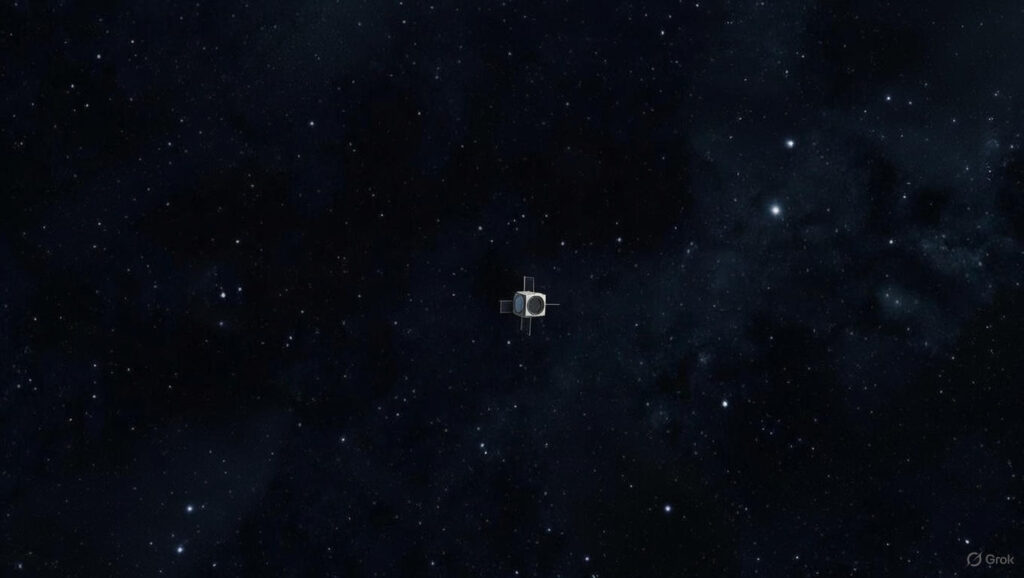
At Future Space Pioneers Academy, our hands-on program empowers middle and high school students to dive into the exciting world of space technology. This lesson plan outlines the key stages for learning micro-satellite (e.g., CubeSat) fundamentals, guiding students from conceptual basics to building a functional prototype. Each major point is highlighted below, with practical activities to reinforce understanding. By the end, students will grasp the essential principles needed to create a space-ready craft, fostering skills in STEM and innovation.
1. Introduction to Satellite Fundamentals
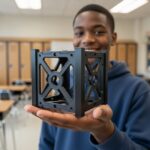
Students start by exploring what a micro-satellite is: a small, low-cost spacecraft (typically 10x10x10 cm) designed for low-Earth orbit missions. They’ll learn core concepts like satellite orbits, gravity’s role, and the space environment (vacuum, radiation, temperature extremes). Activity: Simulate orbits using simple physics models to understand how satellites stay in space without falling.
2. Structural Design and Materials
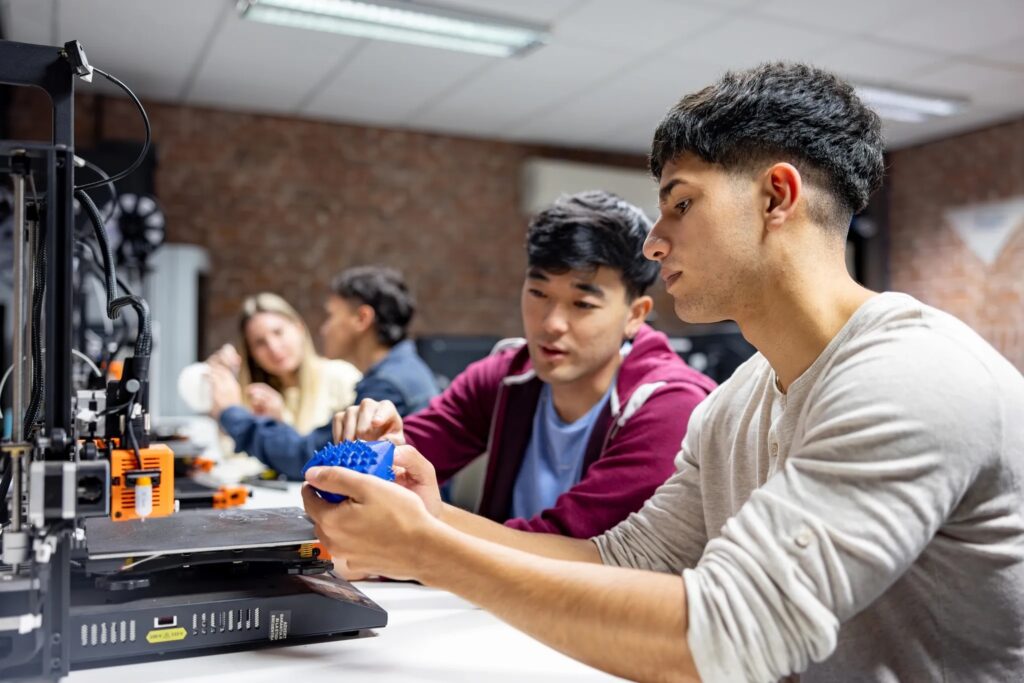
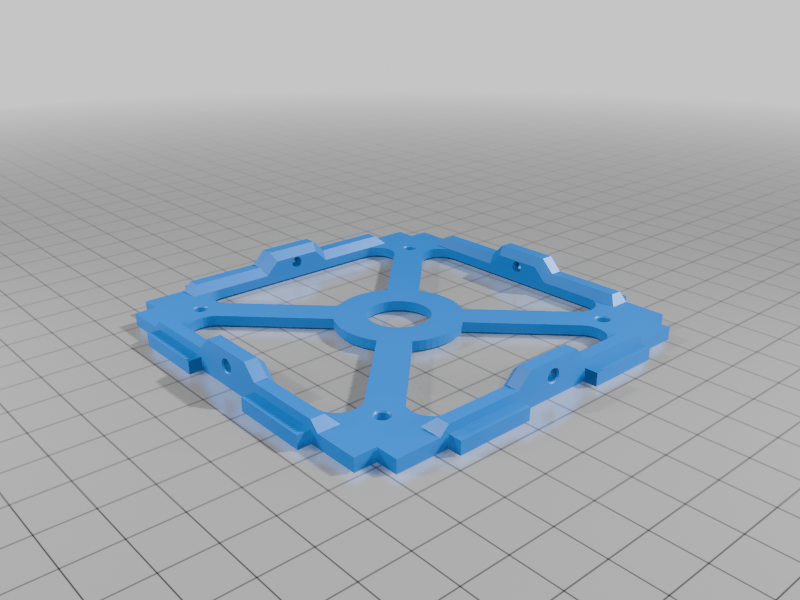
Focus on the satellite’s physical framework: selecting lightweight, durable materials like aluminum or 3D-printed composites to withstand launch vibrations and thermal stresses. Students study material science principles, including strength-to-weight ratios and thermal expansion. Activity: Design and prototype a basic chassis using CAD software and 3D printers.
3. Power Systems
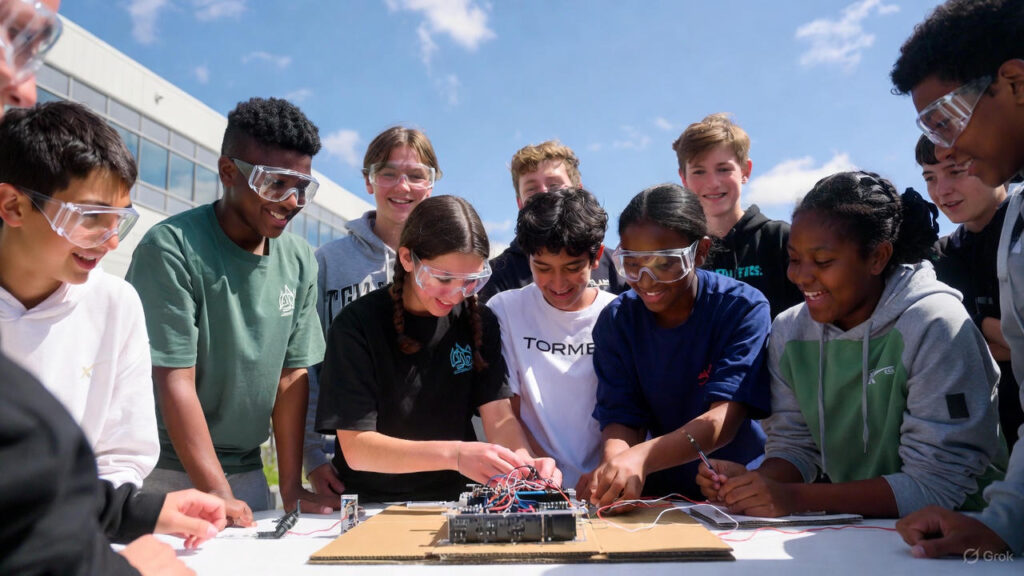
Power is critical—students learn about solar panels for energy harvesting, batteries for storage, and efficient power management to handle eclipse periods. Key principles include voltage regulation, energy conversion efficiency, and redundancy for reliability. Activity: Assemble a solar-powered circuit with a Raspberry Pi to test real-time power draw.
4. Communication Systems
Satellites need to “talk” to Earth: Cover antennas, radio frequencies, and data transmission protocols using networks like SpaceX’s Starlink. Principles include signal modulation, error correction, and FCC regulations for amateur radio. Activity: Build a simple transmitter-receiver setup to send mock data packets.
5. Attitude Control and Navigation
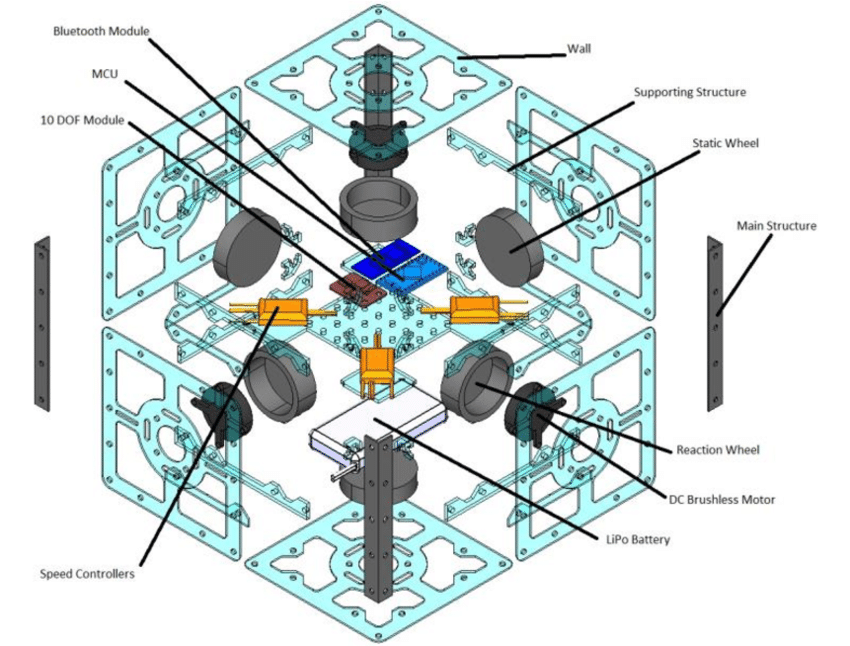
Maintaining orientation in space: Students explore gyroscopes, reaction wheels, and thrusters for positioning, plus GPS for navigation. Fundamentals involve Newton’s laws, torque, and feedback loops in control systems. Activity: Program a model to simulate attitude adjustments in microgravity.
6. Payload and Sensors
The “mission” heart: Integrate sensors for data collection (e.g., cameras for Earth imaging or environmental monitors). Learn about sensor calibration, data accuracy, and miniaturization constraints. Activity: Select and wire sensors to gather test data, analyzing results for insights.
7. Software and Programming
Bring it to life with code: Using tools like Python on Raspberry Pi, students cover embedded programming for operations, remote updates, and AI-driven analytics. Principles include real-time systems, fault tolerance, and over-the-air updates. Activity: Write scripts to control satellite functions and handle simulated failures.
8. Integration, Testing, and Operations
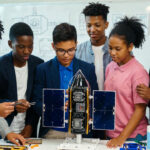
Final assembly: Students integrate all subsystems, test for compatibility (e.g., vibration and thermal vacuum simulations), and plan post-launch operations like data downlink. Key lessons: Systems engineering, iterative debugging, and mission lifecycle. Activity: Conduct full prototype tests and compete on design longevity.
This structured plan ensures students not only understand but apply these principles, culminating in a potential SpaceX rideshare launch if funded. Join our 2026-2027 cohort to turn curiosity into cosmic achievement—apply today!