Space communications are the lifeline of any satellite mission, enabling data transfer between spacecraft and Earth despite vast distances, signal delays, and environmental challenges. In our 2026-2027 program, students progress from familiar WiFi simulations using their individual hands-on kits to advanced radio systems for the collaborative launch project, building skills in wireless tech, signal processing, and mission-critical reliability. This lesson plan defines key concepts at each stage, using low-cost tools like Raspberry Pi for accessible learning, while highlighting real-world applications in the space economy. By bridging everyday tech to orbital realities, we demonstrate the program’s feasibility—empowering Michigan students with practical expertise that could fuel high-tech jobs without needing expensive infrastructure.
1. WiFi Basics with Hands-On Kit
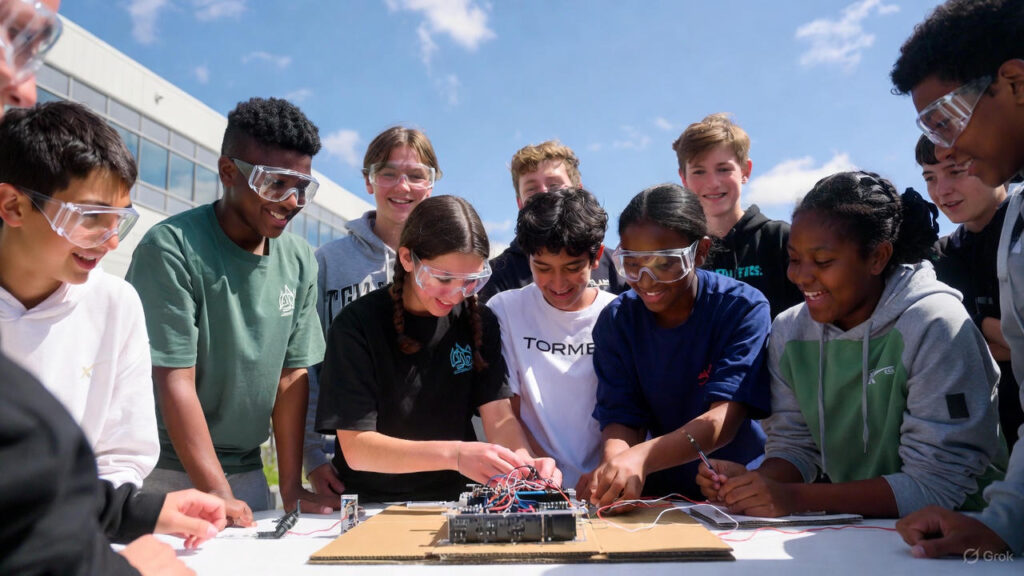
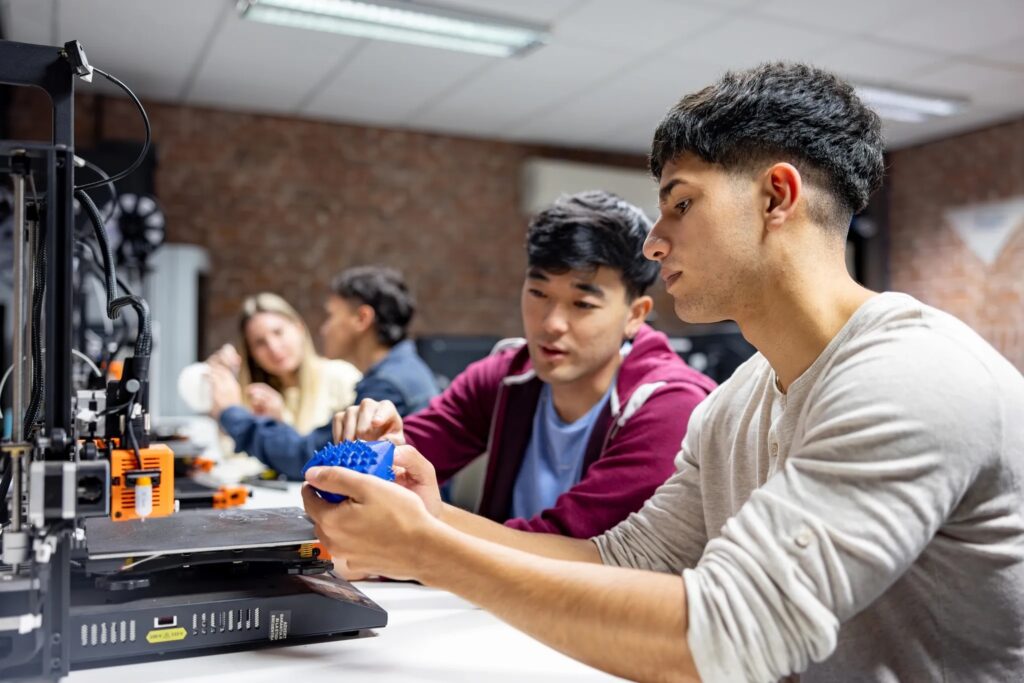
Students kick off with WiFi as an entry point, using the kit’s Raspberry Pi to set up a local network for mock data transmission. Concepts: Wireless protocols (e.g., 802.11 standards), signal strength (RSSI), and basic networking (IP addressing, packets). Activity: Configure the Pi as a hotspot to send sensor data (e.g., from IMU or camera) between kits, experimenting with range and interference. Learned: Fundamentals of short-range, high-bandwidth comms, teaching how everyday devices handle data securely and efficiently—ideal for ground testing simulations.
2. Transition to Radio Fundamentals
Building on WiFi, students explore radio waves: Electromagnetic spectrum, frequency bands (e.g., 2.4 GHz shared with WiFi), and modulation techniques (AM/FM basics). Concepts: Wave propagation, antennas (dipole vs. patch), and line-of-sight limitations. Activity: Replace WiFi with a low-cost radio module (e.g., nRF24L01) on the kit to transmit data farther, measuring signal degradation. Learned: Differences in power efficiency and range, preparing for space where direct visibility isn’t always possible.
3. Satellite Communication Principles
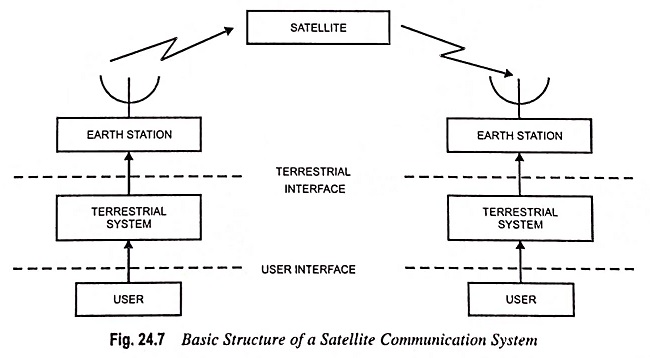
Students delve into space-specific challenges: Doppler shift from orbital velocity, path loss over distances, and noise from cosmic sources. Concepts: Uplink/downlink, transponders, and error correction (e.g., forward error correction codes). Activity: Simulate delays using code on the Pi, sending “telemetry” via radio while on the gimbal to mimic motion. Learned: How signals weaken (inverse square law) and the need for amplification, fostering understanding of reliable data links in harsh environments.
4. Advanced Modulation and Protocols
Progress to sophisticated methods: Digital modulation (QPSK, BPSK for efficiency), spread spectrum for anti-jamming, and protocols like AX.25 for amateur satellites. Concepts: Bandwidth allocation, FCC/ITU regulations, and encryption for secure comms. Activity: Program the kit to encode/decode messages with error-checking, testing over increasing “distances” (attenuated signals). Learned: Optimizing data rates for power-constrained systems, crucial for CubeSats where every watt matters.
5. Ground Stations and Network Integration
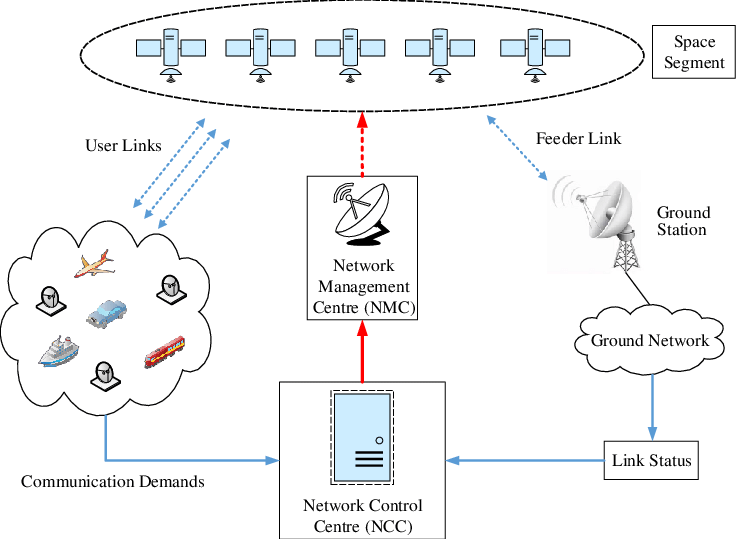
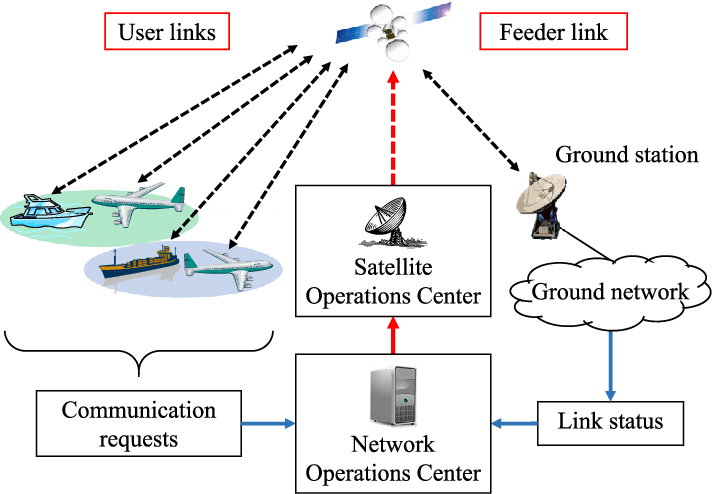
Students learn about Earth-side infrastructure: Tracking antennas, ground station software (e.g., SatNOGS), and integration with networks like Starlink. Concepts: Handshaking, beacon signals, and multi-satellite coordination. Activity: Set up a mock ground station with kits to “receive” data from a simulated orbit. Learned: End-to-end system design, emphasizing interoperability for real missions.
6. Space-Worthy Communications for Launch Project
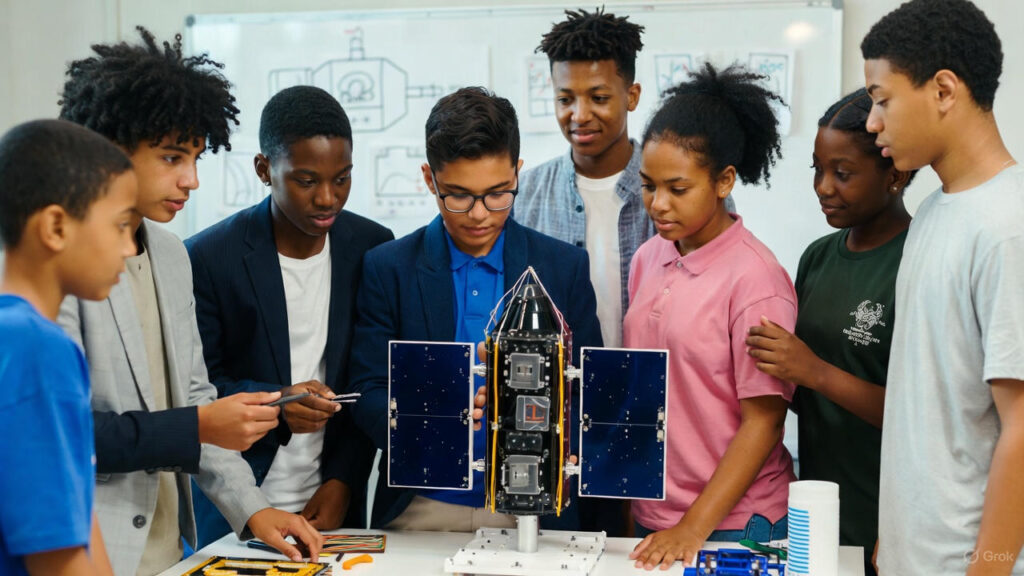
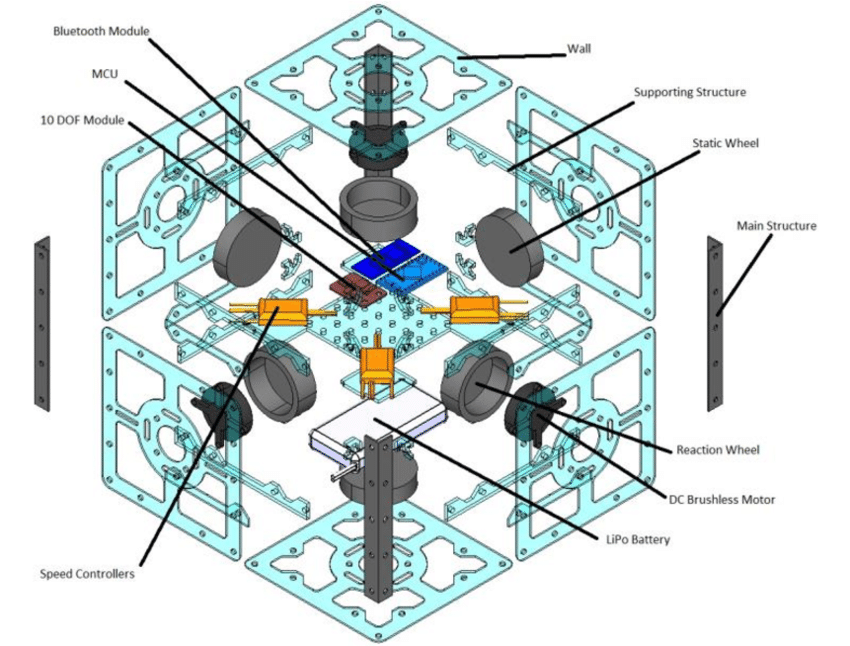
Culminating in the team project: Use space-rated radios (e.g., UHF/VHF transceivers like those from AAC Clyde Space) with rad-hard components for the actual CubeSat. Concepts: S-band/X-band frequencies for higher data rates, vacuum-compatible antennas, and compliance with space standards (e.g., no interference with other sats). Differences from kit: Higher power amplifiers, radiation shielding, and low-outgassing materials vs. commercial WiFi’s vulnerability to space radiation and thermal extremes. Activity: Collaborate to integrate and test the final system, preparing for potential SpaceX rideshare. Learned: Mission-critical reliability, scaling from simulation to orbit—highlighting regulatory and ethical aspects for professional space careers.
This progressive plan ensures students master space communications, from kit-based WiFi to launch-ready systems, boosting Michigan’s innovation edge. Apply or support today to make it happen!