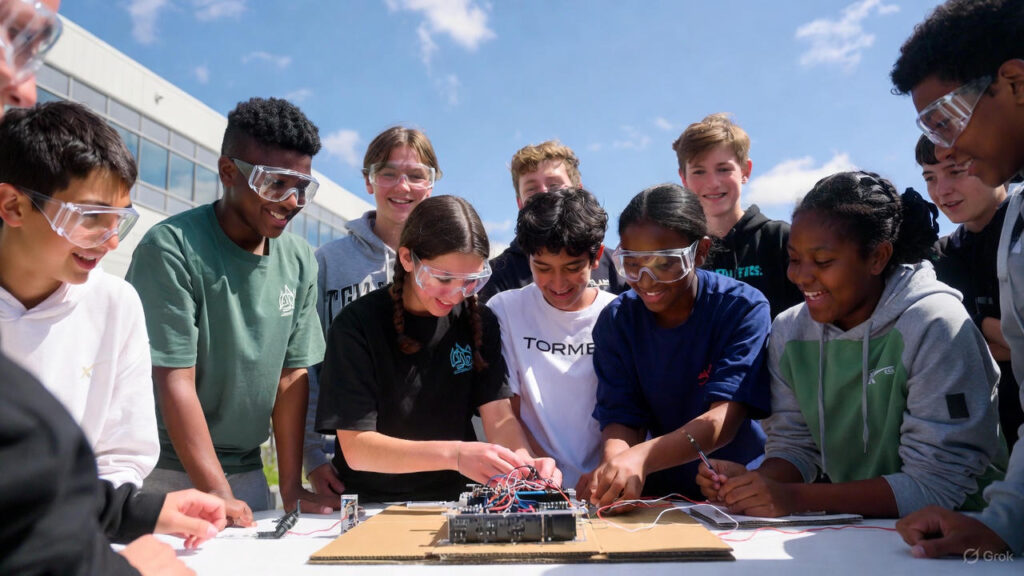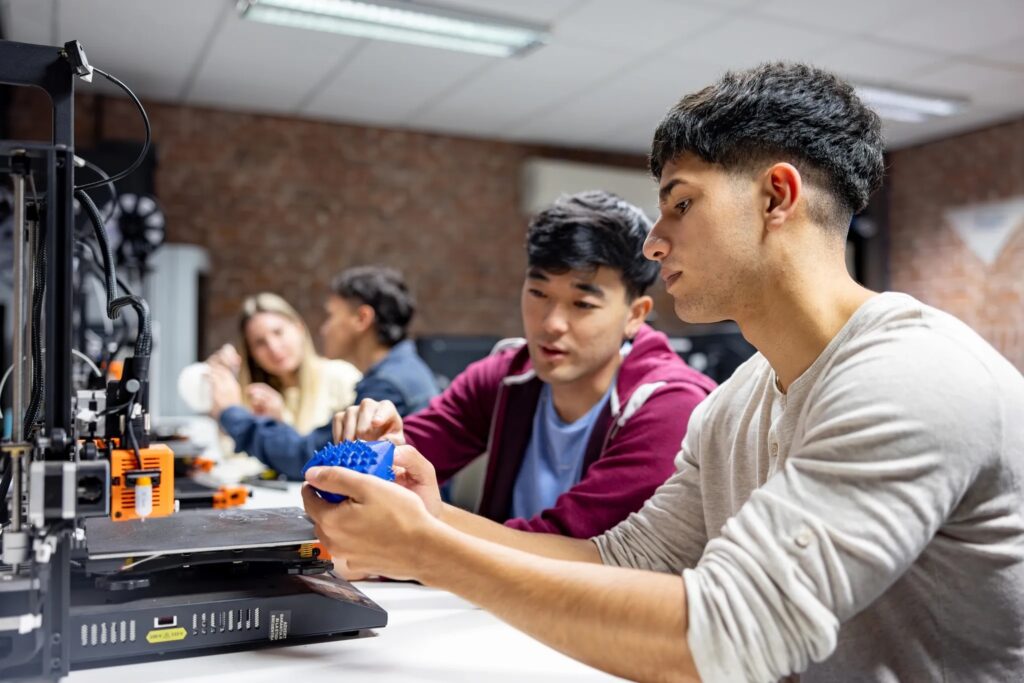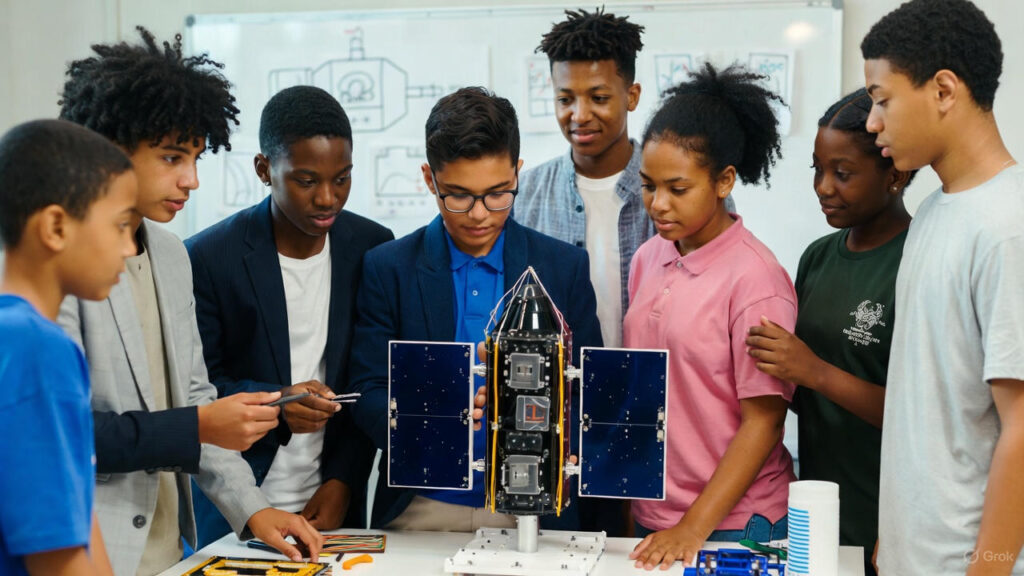
In the Future Space Pioneers Academy program, software development and AI are the digital backbone of every micro-satellite project, turning hardware into intelligent, operational spacecraft. This lesson plan for the 2026-2027 cohort focuses on building these skills using accessible tools like Python and Raspberry Pi, ensuring students from any Michigan school district can master them without prior experience. By integrating coding with real-world space challenges, participants not only complete their mock-ups but also gain resume-boosting expertise for the booming space economy—projected to grow to $1.8 trillion by 2035. This hands-on approach proves the program’s feasibility, as low-cost, open-source software democratizes access, allowing us to scale educationally and economically without massive upfront costs.
1. Programming Fundamentals
Students begin with the basics of Python, the go-to language for space tech due to its simplicity and versatility. Lessons cover variables, loops, functions, and error handling, applied to simple scripts that simulate satellite data flows. Using free tools like VS Code or Jupyter Notebooks, they’ll write code to process mock sensor readings, learning modular design principles. Key takeaway: Understanding code structure fosters efficient problem-solving, essential for debugging in constrained environments like a CubeSat.
2. Embedded Systems Programming
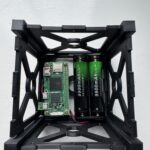
Diving into hardware-software integration, students program the Raspberry Pi to control peripherals like sensors and cameras. Topics include GPIO interfacing, real-time operating systems (e.g., Raspberry Pi OS), and threading for multitasking. They’ll code routines to read IMU data for orientation or capture images, emphasizing low-power optimization. Lessons learned: Embedded constraints teach resource management, mirroring space limitations where every byte counts, building resilience in iterative coding.
3. Data Acquisition and Processing
Here, focus shifts to handling data streams: Using libraries like NumPy and Pandas, students learn to collect, filter, and store data from GPS, cameras, and sensors. Lessons include serial communication protocols (e.g., I2C/SPI) and basic databases for logging. Applied project: Script a data logger that simulates orbital telemetry. This module highlights data integrity—students debug noise in readings, gaining skills in validation that’s critical for reliable space missions.
4. AI Integration for Analytics
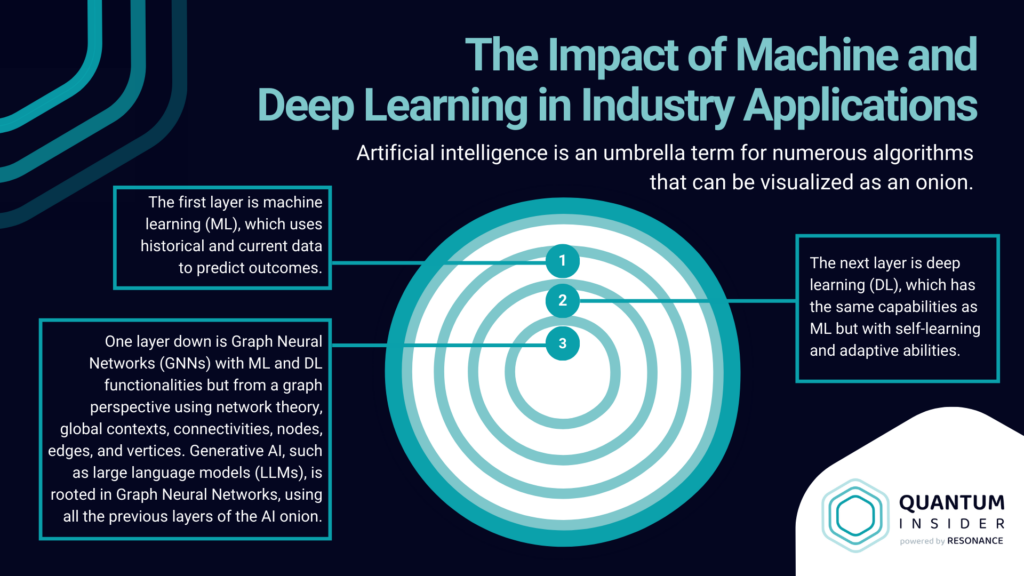
AI elevates the project: With libraries like TensorFlow Lite or scikit-learn (optimized for Raspberry Pi), students implement machine learning for tasks like anomaly detection in power usage or image analysis from the camera. Basics cover supervised learning, neural networks, and edge AI deployment. Activity: Train a model to predict battery life from solar data. Lessons: AI teaches pattern recognition and automation, showing how it accelerates development—proving your non-profit’s value in preparing kids for AI-driven space jobs without expensive tools.
5. Remote Operations and Software Updates
Students explore over-the-air (OTA) updates and remote control, using protocols like MQTT for communication simulations. Lessons include secure coding (e.g., basic encryption) and version control with Git. They’ll deploy code to “update” their mock satellite mid-simulation, learning about failover mechanisms. Key insight: This mirrors real satellite ops, emphasizing adaptability—failures during tests teach robust design, ensuring feasibility for launch scenarios.
6. Integration, Testing, and Deployment
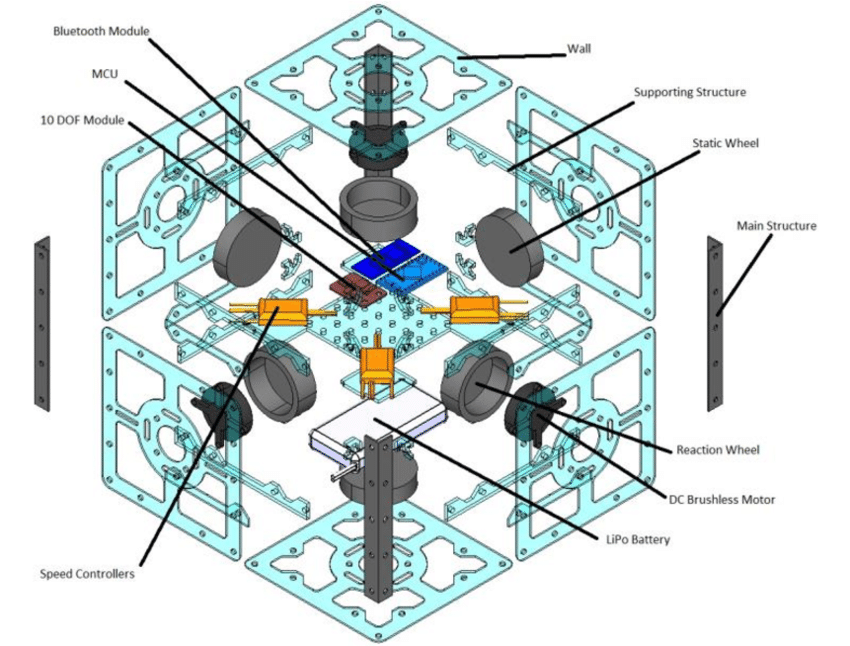
Culminating in full-system fusion: Students integrate software with hardware, using unit tests (pytest) and simulations (e.g., via Gazebo for virtual orbits). AI models get fine-tuned for the gimbal setup, testing reaction wheel controls. Final activity: Run end-to-end missions, analyzing logs for improvements. Lessons: Holistic testing reveals interdependencies, reinforcing agile methodologies—vital for scaling the program nationally without high failure risks.
This software/AI curriculum, paired with our hardware kits, confirms the venture’s feasibility: It’s low-barrier (free software, low cost Raspberry Pi per student kit), high-impact (skills align with 9% annual space growth), and expandable. Donate or sponsor today to launch these young pioneers—your support makes Michigan a space hub!