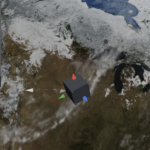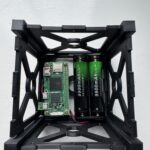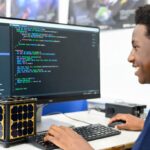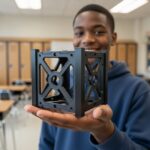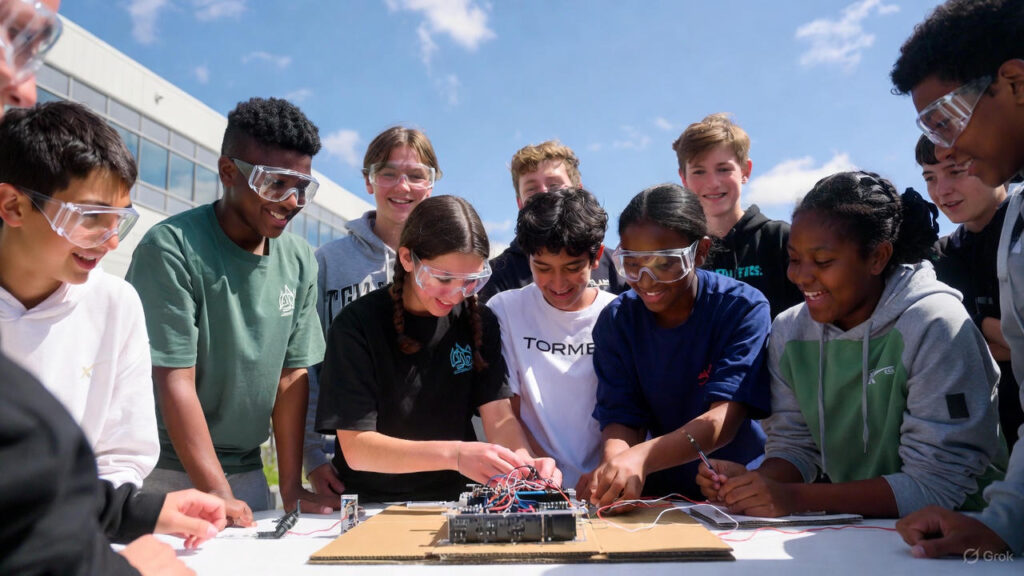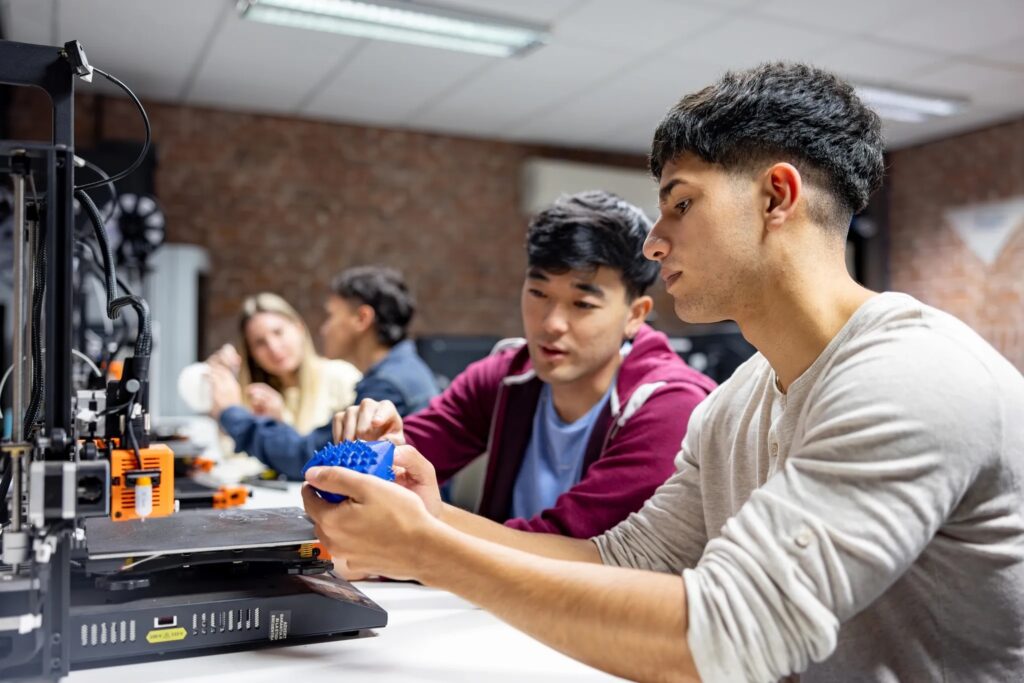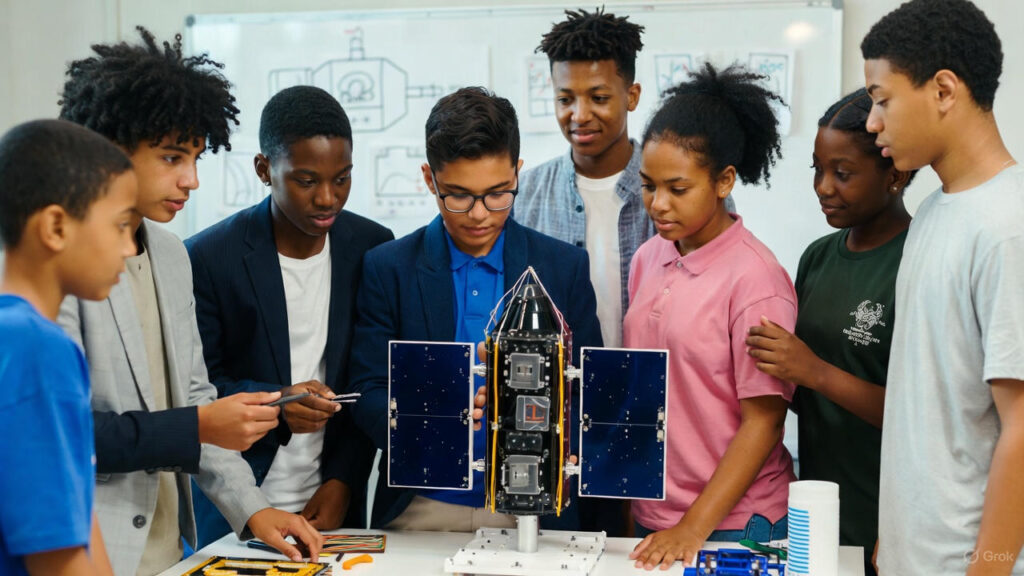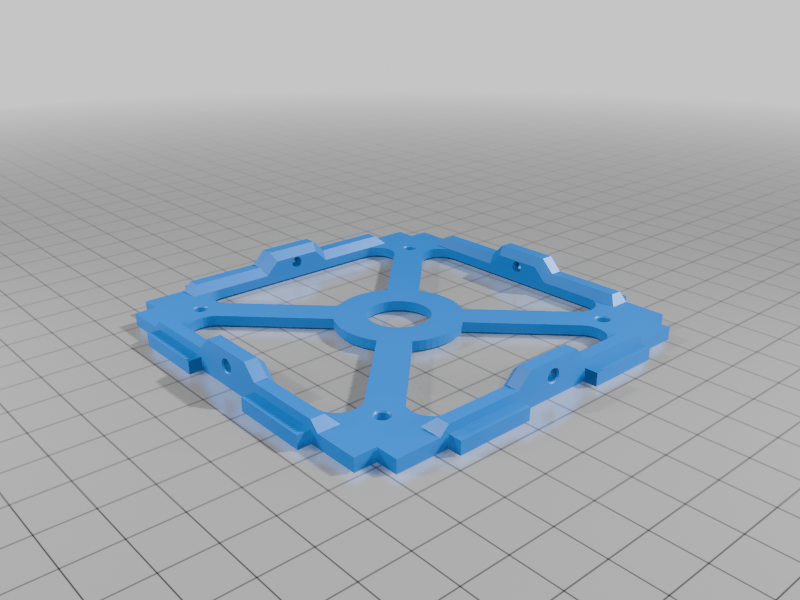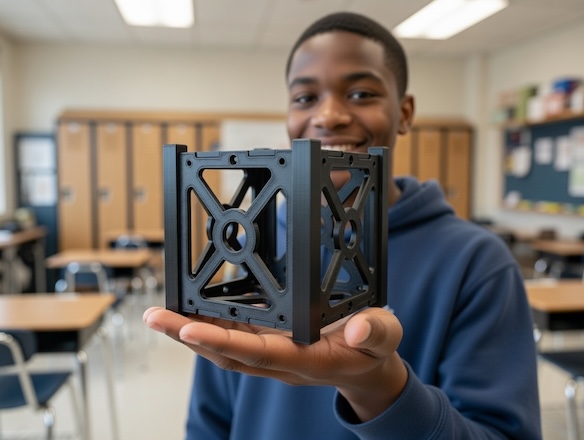
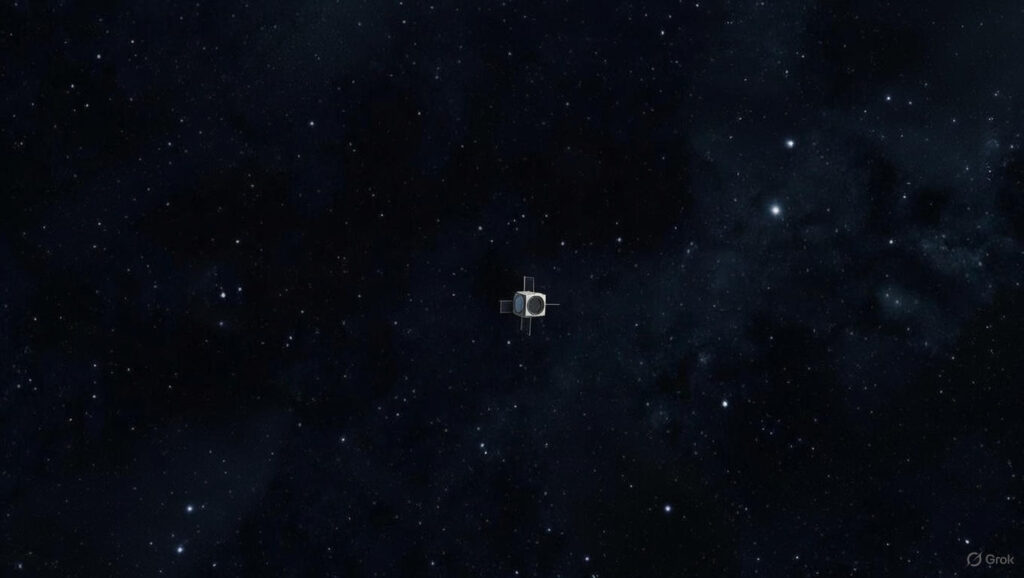
In the vast expanse of space, maintaining a satellite’s position and orientation—known as attitude determination and control—is crucial for mission success, from capturing Earth images to ensuring stable communications. At Future Space Pioneers Academy, our 2026-2027 program teaches middle and high school students these vital skills through hands-on projects with micro-satellites, blending theory, simulation, and real hardware. This lesson plan outlines how we guide participants to understand and implement Attitude Determination and Control Systems (ADCS), equipping them for the space economy’s demands. Using affordable tools like Raspberry Pi and 3D gimbals, students simulate space conditions, proving the program’s feasibility with low-cost, scalable education that could expand Michigan’s high-tech workforce.
1. Introduction to Attitude Fundamentals
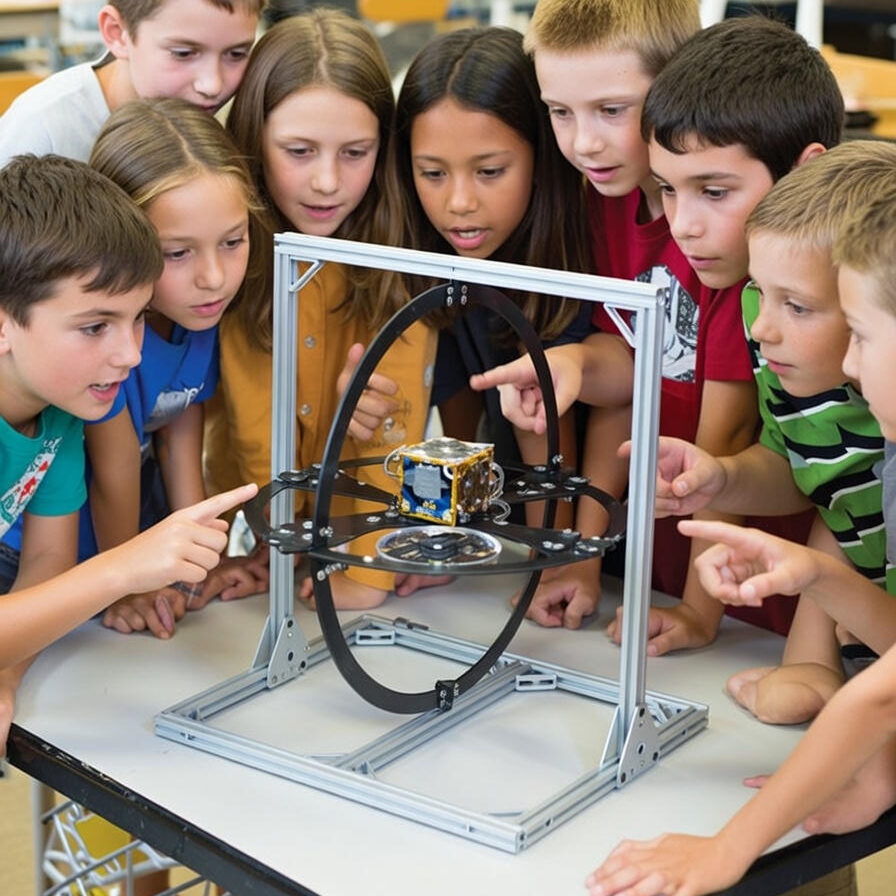
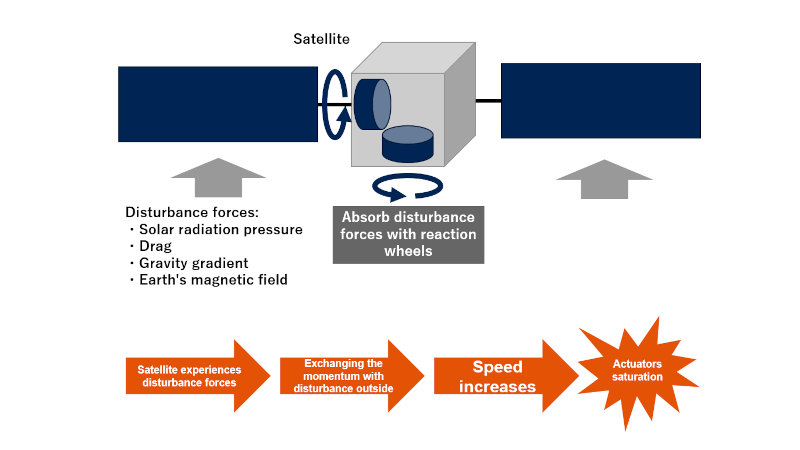
Students start with the basics: What is attitude? It’s the satellite’s 3D orientation in space (roll, pitch, yaw), determined relative to Earth, sun, or stars. Lessons cover orbital mechanics, gravity gradients, and disturbances like solar radiation pressure. Activity: Use simple animations and math models to visualize how uncontrolled satellites tumble. Skills gained: Foundational physics knowledge, preparing them to predict and counter real-space challenges.
2. Sensors for Attitude Determination
Focus on hardware that “senses” position: Students learn about inertial measurement units (IMUs) with gyroscopes and accelerometers for detecting rotation and acceleration, plus sun sensors, magnetometers (for Earth’s magnetic field), and basic star trackers. In the program, they integrate low-cost IMUs into their Raspberry Pi setups, calibrating for accuracy. Activity: Code scripts to read sensor data and compute orientation using algorithms like TRIAD or QUEST. Skills: Data fusion and sensor calibration, essential for reliable position tracking in orbit.
3. Actuators for Attitude Control
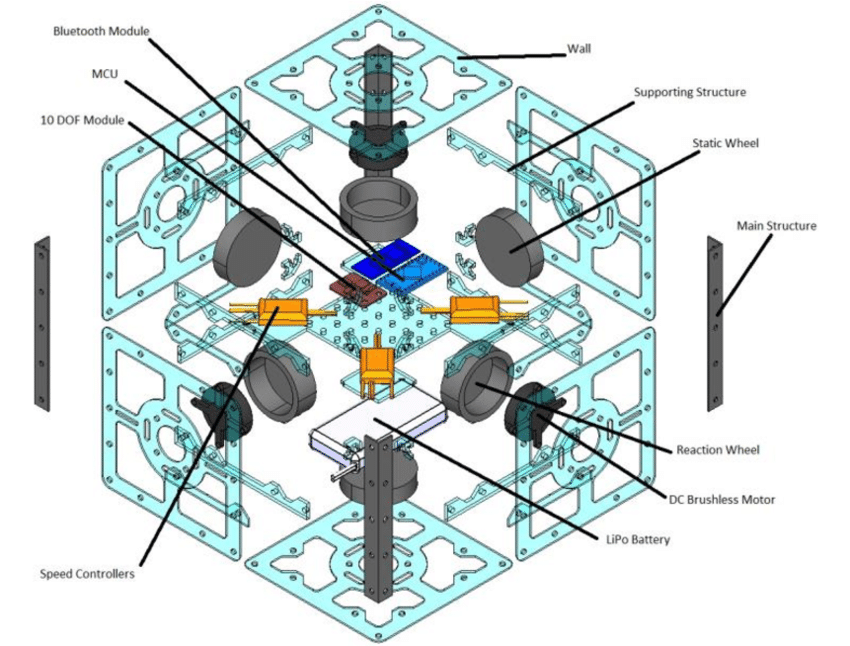
Students explore control mechanisms: Reaction wheels spin to generate torque without fuel, thrusters provide precise adjustments, and magnetic torquers interact with Earth’s field for low-power control. Our kits include hobby reaction wheels on a 3D gimbal to simulate microgravity rotation. Activity: Program PID controllers to stabilize the gimbal-mounted mock satellite against manual disturbances. Skills: Feedback loop design and torque management, teaching how to maintain pointing accuracy for payloads like cameras.
4. Control Algorithms and Software Implementation
Diving into the “brain”: Lessons on control theory, including proportional-integral-derivative (PID) loops, Kalman filters for noise reduction, and quaternion math for orientation representation. Students code these in Python on Raspberry Pi, integrating with sensors and actuators. Activity: Simulate full ADCS in software (e.g., using libraries like SciPy), then deploy to hardware for real-time testing. Skills: Algorithmic thinking and software-hardware integration, vital for autonomous space operations.
5. Testing and Mission Simulation
Students apply knowledge in end-to-end tests: Using the gimbal for 3-axis freedom, they simulate orbital scenarios, desaturate reaction wheels, and handle failures like sensor drift. For launch-eligible teams, this scales to space-rated components. Activity: Compete in stability challenges, analyzing logs for improvements. Skills: Systems engineering and troubleshooting, fostering innovation for real missions.
6. Advanced Topics and Real-World Applications
Wrapping up with space-specific challenges: Radiation effects on electronics, momentum dumping, and multi-satellite coordination. Discussions tie to careers in companies like SpaceX. Activity: Guest lectures and case studies on missions like CubeSats. Skills: Critical analysis and ethical engineering, preparing students for the global space industry’s growth.
Through this plan, our program demystifies position and control, turning theory into practice with minimal resources—proving its feasibility for statewide impact. Join us: Apply, donate, or sponsor to empower Michigan’s future space pioneers!