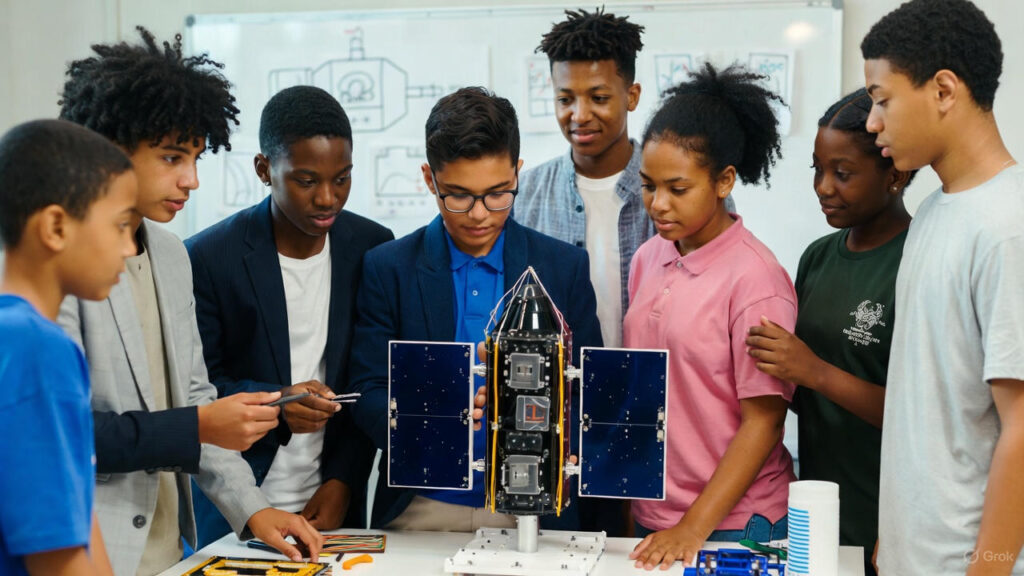
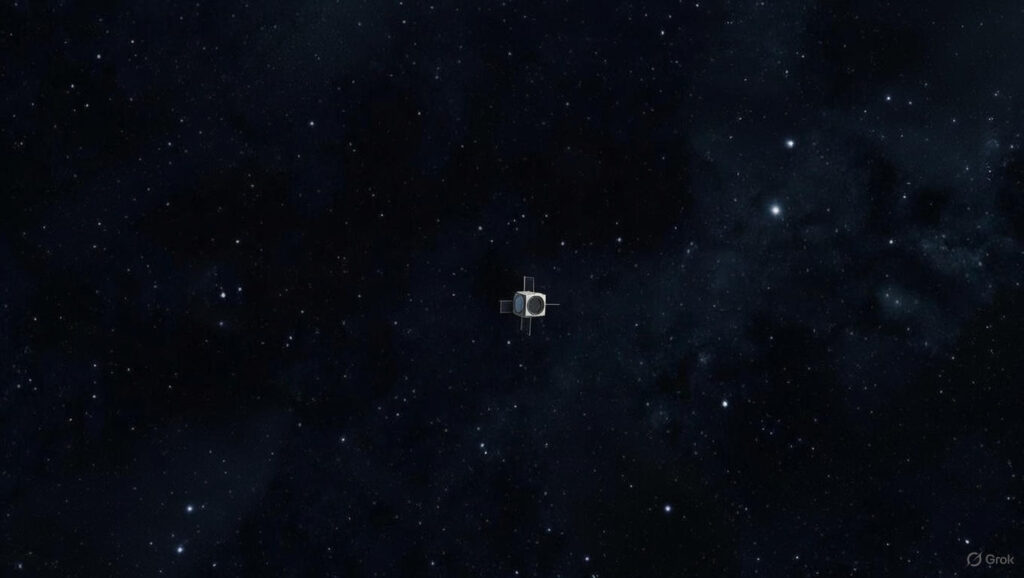
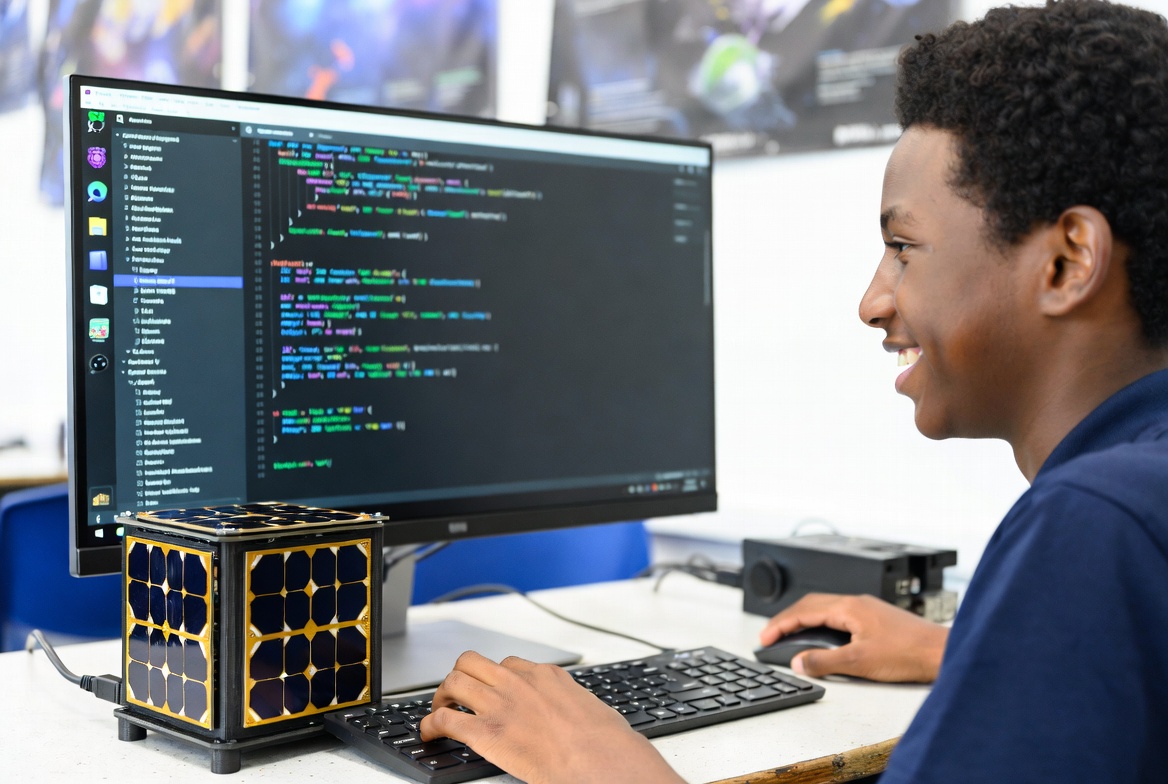
Future Space Pioneers Academy (FSPA) continues to make remarkable strides in preparing middle and high school students for careers in the booming space economy. Following our recent feature on 3D engineering for CubeSats, we’re thrilled to provide an update on the comprehensive suite of courses under development for the 2026-2027 academic year. These courses form an integrated STEM program where students learn to build, program, control, and communicate with micro-satellites, culminating in hands-on assembly of functional 1U CubeSat mock-ups and potential team launches into orbit.
Courses Already Available and in Active Development
Several foundational courses are ready or nearing completion, offering flexible, self-paced learning:
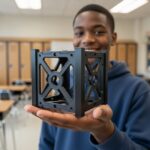
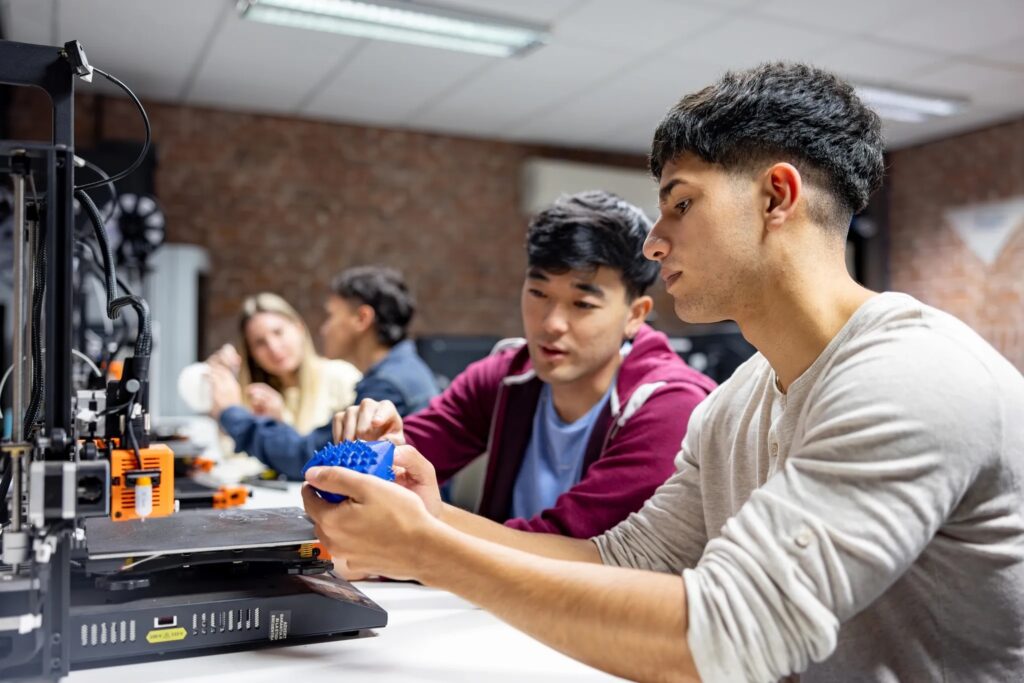
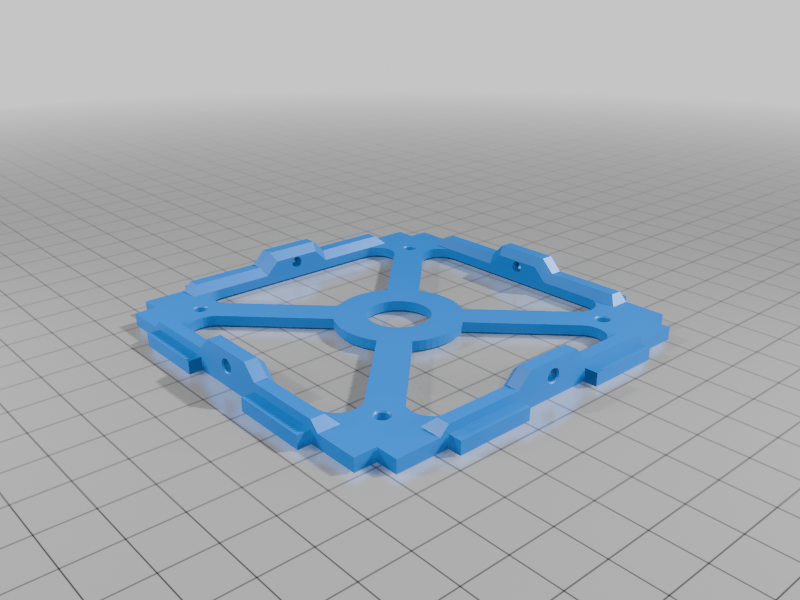
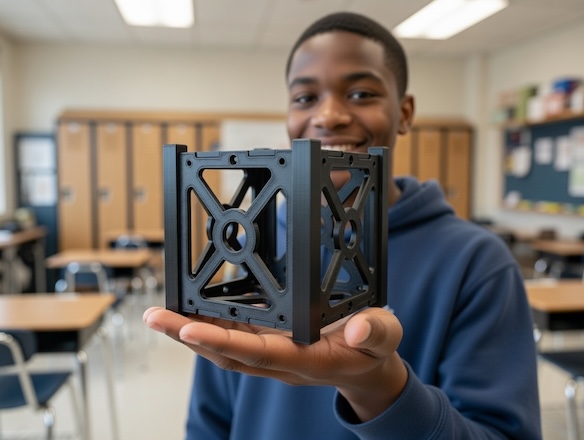
- 3D Design and Printing: Students with no prior experience dive into Onshape CAD software. They master sketching, dimensioning, geometric constraints, and creating precise models for CubeSat components like the 10x10x10 cm structural frame. Hands-on 3D printing teaches material science, infill patterns, and tolerances for lightweight yet durable parts.
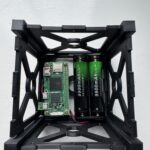
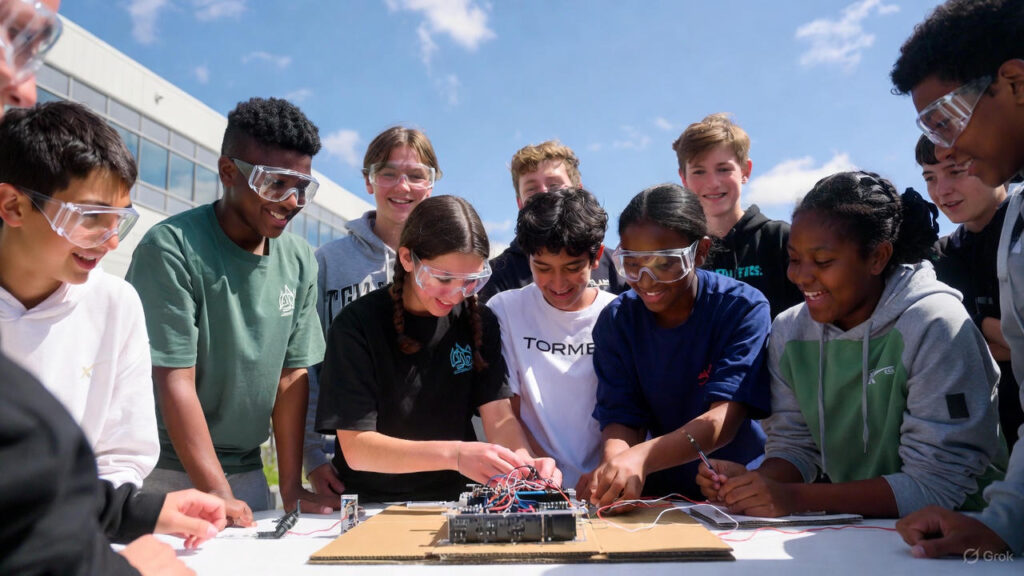
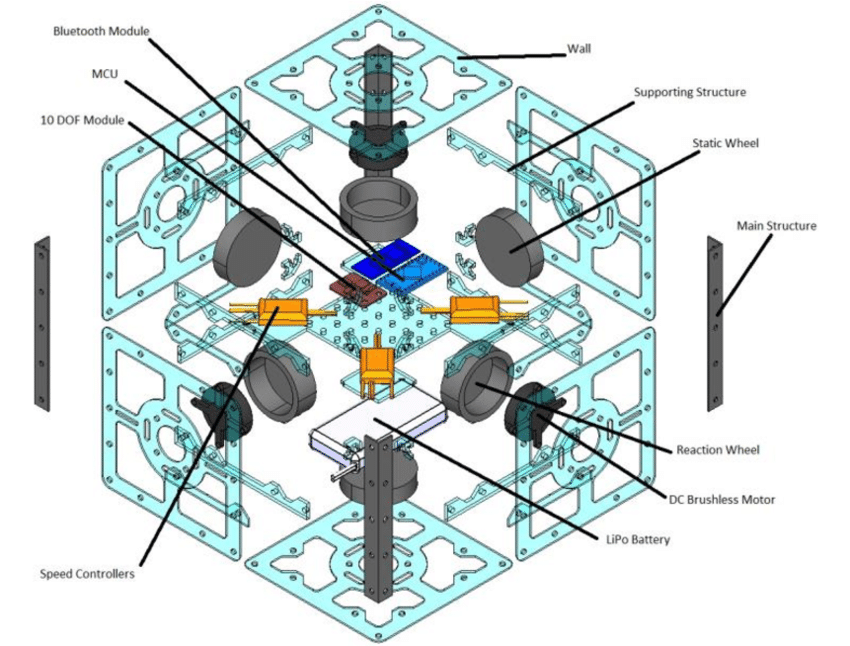
- CubeSat Kit Assembly: This practical module guides learners through bolting together their custom 3D-printed frame, mounting the Raspberry Pi Zero W flight computer, installing reaction wheels, wiring power systems with 18650 batteries and solar management, integrating IMU sensors and Arducam cameras, and deploying solar panels. Short video segments (15–30 minutes each) include safety protocols, step-by-step guides, and troubleshooting—perfect for building confidence one component at a time.
- Python Programming for Satellites: Focused on coding skills essential for satellite operations, this course builds programming fundamentals tailored to embedded systems and space applications.
These courses emphasize real-world skills using affordable hardware kits, allowing students to progress from digital blueprints to working prototypes.
Courses and Modules Still in Development
Additional specialized modules are advancing rapidly to complete the full program:
- Mastering Micro-Satellite Basics: Covers satellite fundamentals, orbits, structural design, power systems, payloads, and integration/testing.
- Software Development and AI Skills for Micro-Satellite Mastery: Students advance from Python basics to embedded programming on Raspberry Pi, data processing, and AI applications like anomaly detection and image analysis using libraries optimized for edge computing.
- Exploring Space Communications: Progresses from WiFi simulations to radio fundamentals, modulation, protocols, and ground station operations—preparing for reliable data transfer in orbit.
- Mastering Position and Control in Space: Teaches attitude determination and control systems (ADCS) with sensors (IMUs), actuators (reaction wheels), PID controllers, and simulations on 3D gimbals.
The complete curriculum ties everything together through collaborative team projects, where students apply knowledge across subsystems for a potential SpaceX rideshare launch.
What Kids Will Learn: A Hands-On Journey to Orbit
Participants gain extraordinary exposure to the full satellite lifecycle using low-cost hardware kits featuring Raspberry Pi, reaction wheels, cameras, IMUs, solar panels, and more. They’ll master:
- Design & Build: 3D CAD, printing, and assembly of structural frames.
- Programming & AI: Python scripting, embedded systems, data logging, and machine learning for autonomous operations.
- Power & Sensors: Solar energy management, batteries, and payload integration.
- Communications: Wireless protocols evolving to space-rated radio systems.
- Attitude Control: Stabilizing and orienting the satellite in simulated microgravity.
- Systems Integration & Testing: Troubleshooting, iteration, and mission simulation.
Beyond technical skills, students develop teamwork, problem-solving, and real engineering portfolios—preparing them for high-demand roles in the new space economy.
Flexible Participation: In-School or At Home on Your Schedule
One of the program’s greatest strengths is accessibility. While we’re actively introducing FSPA to schools in Southeast Michigan and beyond, students don’t need a local school hosting the program to participate. All courses and hands-on kits support self-paced, at-home learning. Families or independent learners can work through modules on their own schedule, with video lessons, printable guides, and optional instructor feedback.
How to Join:
- Sign up with your local team to enroll: Local Teams
- Check the Program category for information about the lesson plans and general updates.
- Reach out via the website for hardware kit information or school partnership inquiries.
Future Space Pioneers Academy is a non-profit dedicated to making space education inclusive and hands-on. Whether your school is on board or you’re an enthusiastic learner at home, now is the perfect time to get involved in building the future—one CubeSat at a time.
Stay tuned for more updates as we roll out additional courses and prepare for the 2026-2027 cohort. The stars are within reach!