Future Space Pioneers community students, teachers, mentors, and supporters,
We’re facing a real supply challenge that affects every kit we are currently sourcing parts for, and it could delay our 2026-2027 school year students.
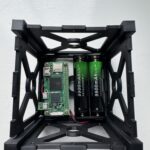
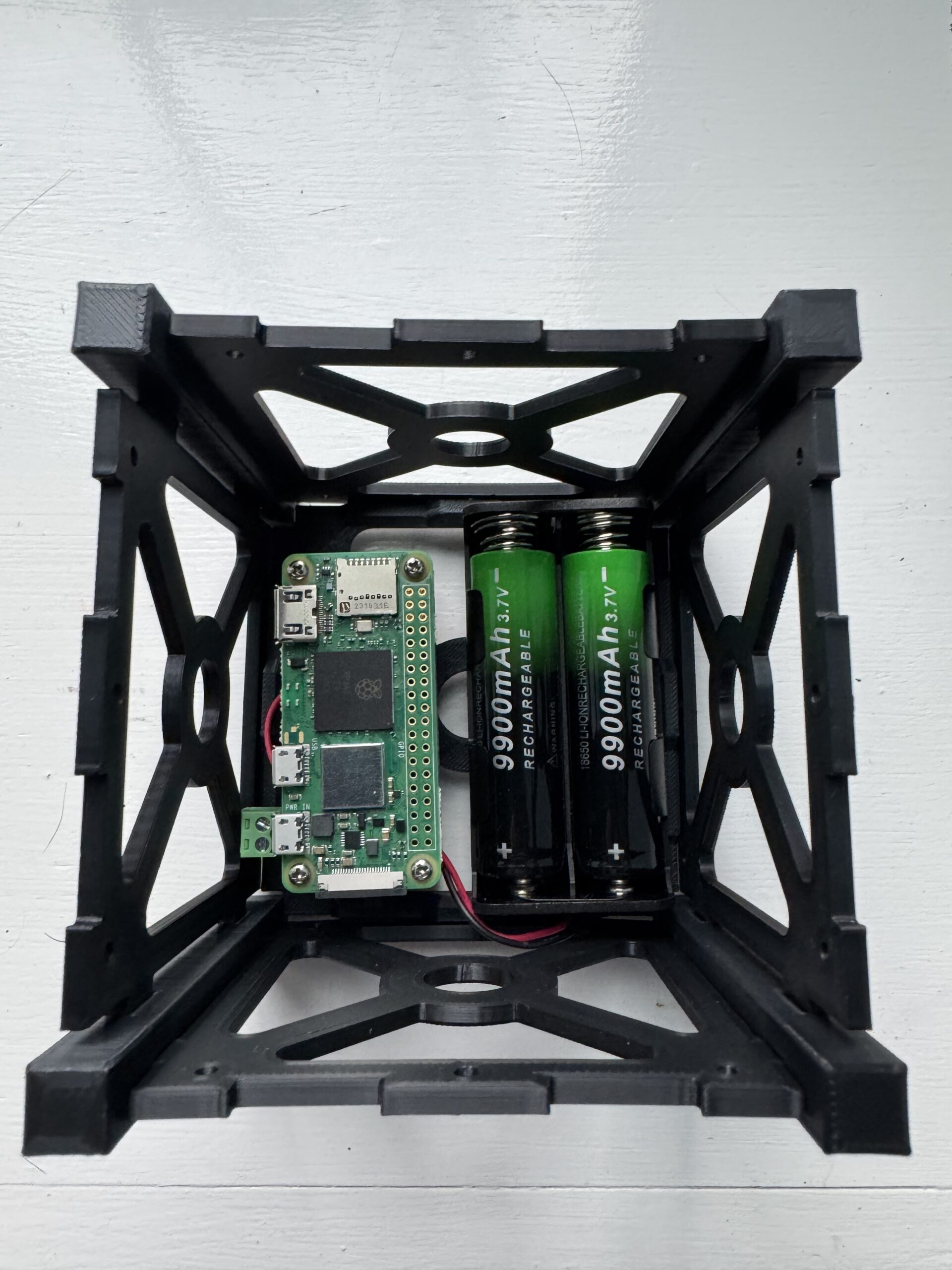
The Raspberry Pi Zero (particularly the Zero 2 W) has been the compact, low-cost Linux computer at the heart of our student satellite kits so far. Its small size, low power draw, camera support, GPIO, and full Linux environment made it ideal for student-built CubeSat payloads, sensors, and experiments.
Unfortunately, as of this month the Zero is effectively unobtainable in the volumes and at the prices we need. Raspberry Pi has publicly reported ~1 million units on back order, sales of the Zero line down 9% in the first half of the year, and ongoing substrate packaging constraints driven by the AI hardware boom. Retailers are sold out or listing multi-month (sometimes into 2027) lead times, and the few available boards are often sold as expensive third-party kits. This is not a brief shortage — it is a structural supply-chain issue that has already lasted many months and is not expected to clear quickly enough for our next production runs.
We refuse to let a component shortage stop student teams from launching real hardware into space. So we’re turning to you — the people who actually build, teach, and fly these kits — for ideas and a community vote.
What we need in a replacement (or dual-source option):
- Small form factor and low power (satellite power budgets are tight)
- Enough compute for sensor fusion, basic image processing, radio protocols, and student code (Python preferred)
- GPIO / I2C / SPI / UART and preferably camera support
- Good documentation, community support, and long-term availability
- Ideally under ~$20–25 in volume so kits stay affordable for schools and clubs
- Preference for boards that can run Linux or a robust RTOS with Python
Suggested options to consider (we’ll turn these into a formal poll):
Closest form-factor / drop-in style alternatives
- Orange Pi Zero 2W (or similar Orange Pi Zero variants) — very similar size, Wi-Fi, Linux, low cost, widely available.
- Other “Pi-compatible” or Zero-like boards (Radxa Zero, Banana Pi Zero, Luckfox Lyra Zero W, etc.) — many aim for pin or size compatibility.
Popular but different architectures - Arduino-compatible boards (Arduino Nano ESP32, Arduino Uno R4, or similar) — excellent for pure microcontroller tasks, huge educational ecosystem, very low power, but no full Linux.
- ESP32-based boards (ESP32-S3 or ESP32-C6 modules / development boards) — dual-core, Wi-Fi/Bluetooth, great for IoT-style satellite subsystems, Arduino or MicroPython friendly, extremely widely available and cheap.
- Raspberry Pi Pico 2 / Pico 2 W (or other RP2350 boards) — official Raspberry Pi microcontroller, excellent availability, low power, MicroPython/C++, but not a full Linux SBC.
- Other single-board computers or modules you have used successfully in student or space projects (e.g., BeagleBone variants, Rockchip-based boards, or commercial satellite-oriented modules).
How you can help right now
- Comment below with boards you’ve used that meet the criteria above, plus any real-world experience (power draw, radiation tolerance notes if any, software stack, volume pricing, gotchas).
- Vote in the poll we’ll post in the comments / on our social channels (we’ll list the top community suggestions + the ones above).
- Teachers and mentors: tell us what your students can realistically program and debug with the tools you already have in the classroom.
- If you know of volume distributors or educational pricing programs for any of these boards, please share.
We want the next generation of kits to be even better and more resilient. Your input will directly shape which microcontroller(s) we qualify for future student satellite kits.
Thank you for being part of this community. The satellites still need to fly — and with your help, they will.
Clear skies,
The Future Space Pioneers team